

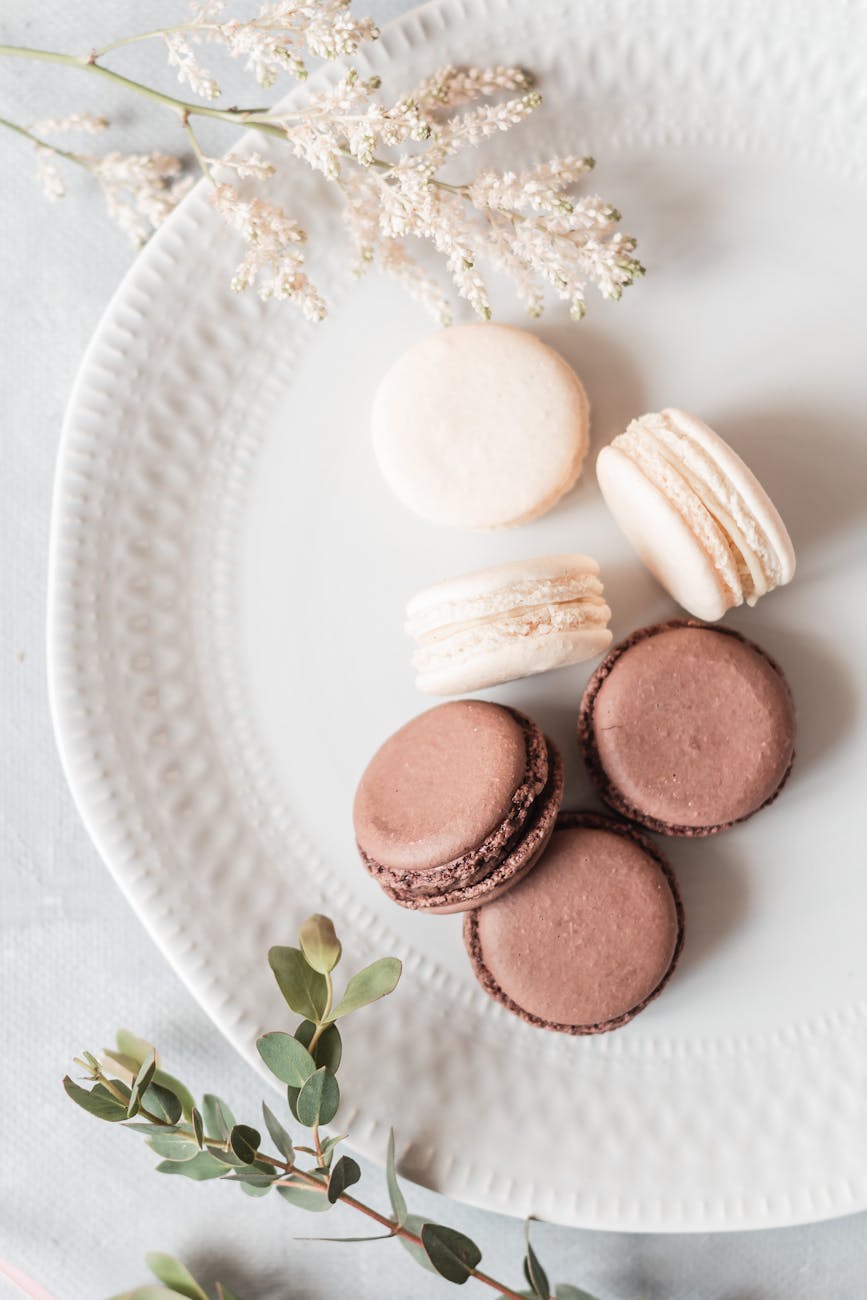
Chocolate: Unveiling the Indulgent Evolution
Chocolate, a beloved treat enjoyed by millions around the world, has a rich history and a fascinating evolution that has captivated taste buds for centuries. From its humble beginnings as a bitter drink consumed by ancient civilizations to the decadent variety of confections available today, chocolate has undergone a remarkable transformation. Let’s delve into the indulgent evolution of chocolate and uncover the secrets behind its enduring popularity.
The Ancient Origins of Chocolate
Thousands of years ago, chocolate was not the sweet and creamy delight we know today but rather a bitter beverage consumed by the ancient peoples of Mesoamerica. The Mayans and Aztecs prepared a drink called “xocolatl,” made from roasted cacao beans, water, and spices. This concoction was believed to have mystical and aphrodisiac properties, and it was often reserved for special ceremonies and rituals. The ancient civilizations considered cacao to be a divine gift from the gods, and it held a sacred place in their society.
The European Renaissance: Chocolate Enters a New Era
It wasn’t until the Spanish conquest of the Americas in the 16th century that chocolate made its way to Europe. Initially, chocolate was introduced as a bitter and spicy drink enjoyed by the aristocracy. However, as it spread across the continent, sugar was added to sweeten the beverage, transforming it into a luxurious treat fit for royalty. Chocolate houses began to pop up in major European cities, becoming popular gathering spots for socializing and indulging in this exotic new drink.
The Industrial Revolution: Chocolate Goes Mainstream
The 19th century saw the industrialization of chocolate production, making it more accessible to the masses. Innovations in processing and manufacturing techniques allowed for the mass production of chocolate bars, candies, and other confections. Companies like Cadbury, Nestlé, and Hershey revolutionized the chocolate industry, introducing new varieties and flavors that appealed to a broader audience. Chocolate soon became a staple in households around the world, enjoyed by people of all ages.
Chocolate Today: A Global Phenomenon
In the modern era, chocolate has evolved into a multi-billion dollar industry, with a dizzying array of products to suit every preference and palate. Dark, milk, and white chocolate varieties are available in a myriad of forms, from truffles and bonbons to bars and spreads. Artisan chocolatiers create handcrafted delicacies infused with unique ingredients like sea salt, chili peppers, and exotic fruits, pushing the boundaries of traditional chocolate-making. Chocolate has also been embraced for its health benefits, with studies highlighting its antioxidant properties and mood-boosting effects.
The Future of Chocolate: Innovation and Sustainability
As consumer preferences shift towards healthier and more ethical choices, the chocolate industry is adapting to meet these demands. Sustainable sourcing practices, fair trade certifications, and organic ingredients are becoming increasingly important to consumers who want to know that their chocolate is not only delicious but also responsibly produced. Companies are investing in research and development to create innovative products that cater to changing tastes and dietary preferences, such as vegan and gluten-free options. The future of chocolate promises to be both delicious and conscientious, as the industry continues to evolve in response to global trends.
In conclusion, the journey of chocolate from ancient elixir to modern indulgence is a testament to its enduring appeal and adaptability. As we savor each bite of this delectable treat, let us appreciate the rich history and cultural significance that make chocolate a truly timeless delight. Whether enjoyed as a simple pleasure or a gourmet experience, chocolate will always hold a special place in our hearts and on our taste buds.